About Stainless Steel Coils
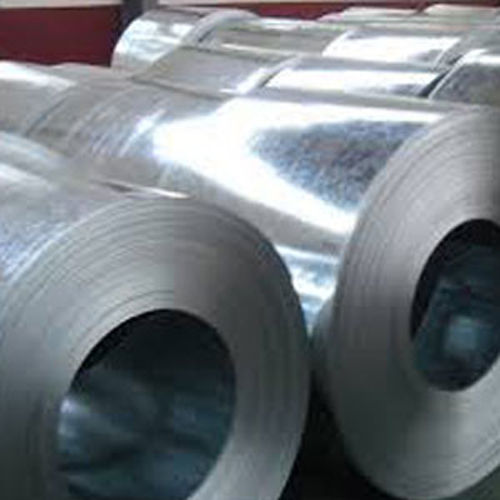
Our stainless steel coils are precisely crafted with great attention to detail, and they stand out for their exceptional surface shine, which not only improves their aesthetic appeal but also serves as a powerful barrier against corrosion and abrasion. These stainless steel coils, which come in different thicknesses and diameters, are employed throughout a range of industries, including the building and manufacturing ones. For many intricate production processes, particularly those involving the construction of machinery and architectural structures, these steel coils act as a versatile cornerstone.
- Range :0.3 MM TO 100 MM THK IN 1000 MM TO 3000 MM WIDTH x 2500 MM / 5000 MM / 10000 MM / COIL.
- Stainless Steel : ASTM / ASME SA 240 :304 , 304L , 304H, 309S , 309H, 310S , 310H , 316 , 316H , 316L , 316 TI , 317 , 317L , 321H , 347 , 347 H , 409 , 410 , 410S , 430
- Duplex Steel : ASTM / ASME SA 240 :UNS NO. S 31803 , S 32205 , S 32550 , S 32750 , S 32760
Cold Rolled Precision EngineeringExpertly manufactured using the cold rolled technique, our stainless steel coils boast enhanced strength, dimensional accuracy, and surface smoothness. The controlled rolling process not only yields tighter tolerances but also results in an attractive, polished appearance, making these coils suitable for high-spec industrial projects and quality-sensitive fabrication works.
First-Class Industrial ApplicationsWith a composition of 18% chromium and 8% nickel, these coils meet the highest standards for corrosion and heat resistance. Their robust mechanical properties-minimum tensile strength of 520 MPa and hardness from 200-220 HV-make them an excellent choice for construction frameworks, automotive panels, and manufacturing equipment subjected to rigorous conditions.
Ready Stock and Custom SizingWe offer immediate stock availability for quick delivery while accommodating custom sizing, thicknesses (1-200 mm), and diameters to suit diverse project requirements. This flexibility ensures seamless integration into various industrial, construction, and fabrication tasks, reducing lead times and facilitating efficient workflow management.
FAQ's of Stainless Steel Coils:
Q: How are stainless steel coils packaged for delivery?
A: Our stainless steel coils are shipped in roll form, securely packaged to preserve their polished finish and prevent damage during transit. Packaging adheres to export quality standards, ensuring that the product arrives in optimal condition at its destination.
Q: What processes are involved in producing these coils?
A: These coils are manufactured through a cold rolling technique, which imparts superior dimensional accuracy and strength. The mill-edge coils are deburred for safety and ease of handling, then polished to achieve a smooth, odorless finish.
Q: Where can these stainless steel coils be used?
A: They are suitable for industrial, construction, and automotive applications as well as fabrication projects where corrosion resistance, heat resistance (up to 870C), and a non-magnetic, lead-free composition are essential requirements.
Q: What is the benefit of selecting a chromium-nickel alloy coil with a smooth finish?
A: A smooth, polished chromium-nickel alloy surface provides excellent corrosion and heat resistance, enhancing longevity in harsh environments. This finish also improves ease of cleaning and aesthetics for visible installations.
Q: When is stock typically available for these products?
A: We maintain readily available stock for prompt order fulfillment. Custom requirements for dimensions or grades can also be arranged quickly to meet project timelines and specific usage needs.
Q: Why is the edge condition important for these coils?
A: Deburred mill edges enhance safety during handling and fabrication, minimizing risks associated with sharp edges and supporting efficient processing in automated production lines.
Q: How does the recyclable nature of these coils benefit the user?
A: Being fully recyclable, these stainless steel coils contribute to sustainable design and production, enabling users to minimize environmental impact and achieve greener construction or manufacturing objectives.
 Send Inquiry


 Get Latest Price

 Send Inquiry
 English
 Spanish
 French
 German
 Italian
 Chinese (Simplified)
 Japanese
 Korean
 Arabic
 Portuguese